Commercial Vehicle Shipping from China
Commercial vehicles are where shipping plans often fail. A dump truck is typically more than 3.0 m high — it does not fit a standard 40HQ container. Below is what actually works.
Dump trucks · tractor heads · cargo trucksCoaches and busesRoRo · flat rack · breakbulk
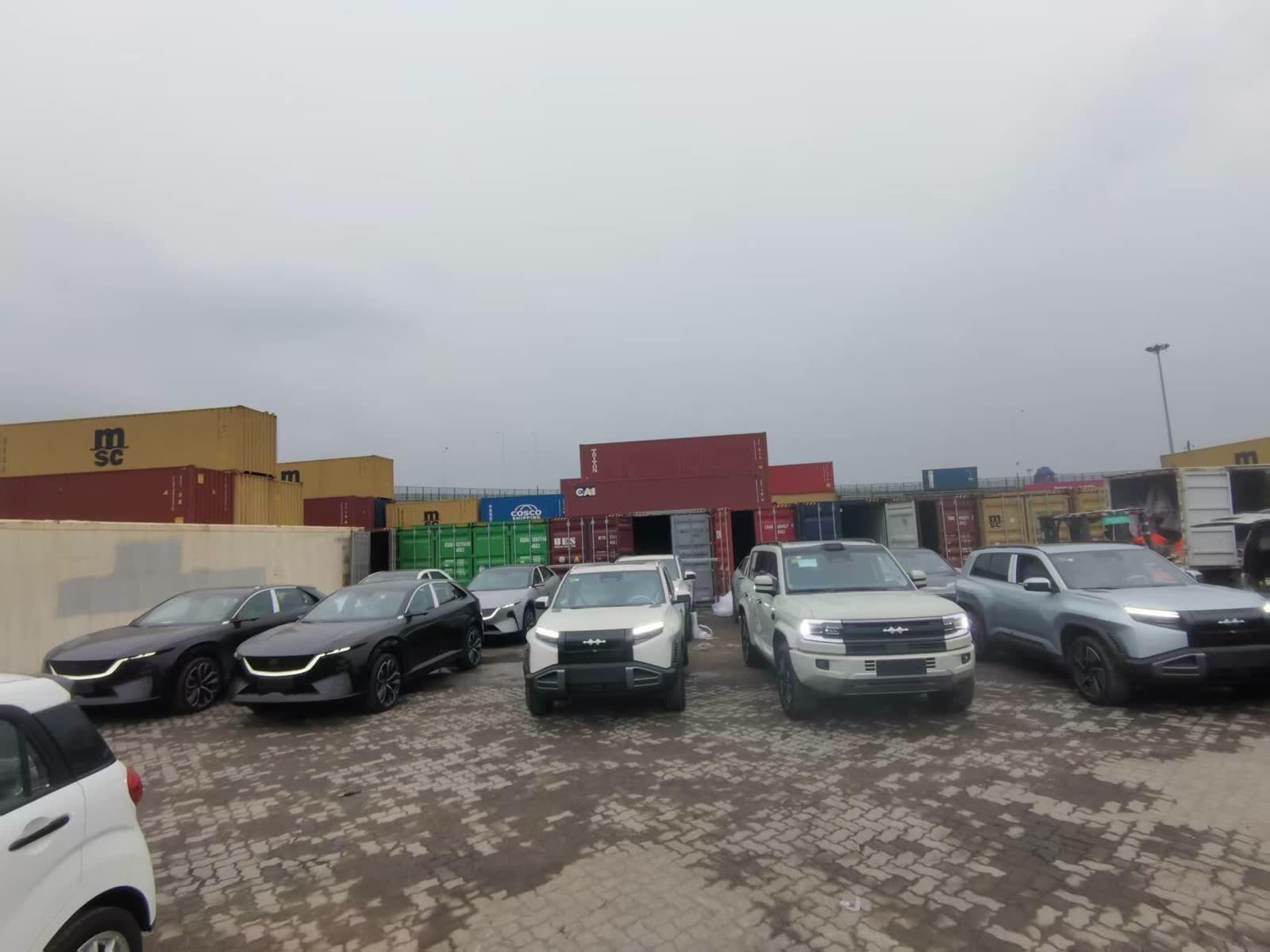
Reality Check
The Height Constraint: Why Standard Containers Often Fail
| Vehicle | Typical height | Standard container internal height | Fits? |
|---|---|---|---|
| Sedan / SUV | 1.5–1.9 m | 2.69 m (40HQ) | Yes |
| Pickup | 1.8–2.0 m | 2.69 m | Yes |
| Light cargo truck | 2.3–2.7 m | 2.69 m | Sometimes, tight |
| Dump truck 6x4 | 3.0–3.4 m | 2.69 m | No — flat rack, RoRo or breakbulk |
| Tractor head | 3.0–3.6 m | 2.69 m | No — RoRo or breakbulk |
| City bus / coach | 3.0–3.8 m | 2.69 m | No — RoRo or breakbulk |
Letting the tyres down or removing the exhaust does not solve a 600 mm height problem. If someone tells you a 3.4 m dump truck fits a 40HQ, they are guessing.
Solutions
Recommended Methods by Vehicle Type
| Vehicle | Preferred method | Alternative | Comment |
|---|---|---|---|
| Light cargo truck | 40HQ container | RoRo | Measure first — many light trucks are very close to the limit |
| Dump truck 6x4 / 8x4 | RoRo where a service calls | Breakbulk, or flat rack dismantled | RoRo is cheapest; breakbulk where no RoRo service exists |
| Tractor head | RoRo | Breakbulk | Drives on its own; the trailer travels separately or on the same vessel |
| Concrete mixer | Breakbulk | Flat rack dismantled | Drum and chute add height and weight |
| Coach / city bus | RoRo | Breakbulk | Long units need deck space booked in advance |
| Mining truck | Breakbulk | Dismantled on multiple flat racks | Reassembly cost usually exceeds the freight saving |
Dismantling a truck to fit flat racks is possible and sometimes right. It is also a real cost: labour at origin, crating of parts, and reassembly by a competent workshop at destination. We price both routes when both are technically possible.
Preparation
Pre-Delivery Requirements for Commercial Vehicles
- Engine starts, brakes hold, steering works — required for RoRo
- Battery isolated where the carrier requires it, jump-start access left available
- Fuel at the level the carrier specifies
- Body, cab glass, lights and tyres photographed before handover
- Loose tools, chains and load-bed items removed or crated and declared
- Dimensions and weight confirmed in writing before the booking is placed
Paperwork
Documentary Requirements Specific to Commercial Vehicles
Commercial vehicles attract more documentary attention than cars at destination. Chassis and engine numbers must match across the invoice, the bill of lading and the export declaration.
- Chassis (VIN) and engine number on the commercial invoice
- Export declaration classified against the correct commodity code
- Certificate of origin where the destination or the buyer requires it
- Pre-shipment inspection where the destination country operates one
- Pre-export age or roadworthiness certificate where the destination requires it
Shipping trucks or buses? Send the dimensions first
Height, length, weight, axle count and whether it drives — that is all we need to tell you which methods are real.
Request a QuoteQuestions we get asked often
Can a dump truck go in a container?
Almost never in a standard 40ft high-cube. The usual solutions are RoRo where a service calls the discharge port, breakbulk where it does not, or dismantling onto flat racks.
Do you ship truck heads and trailers together?
Yes, commonly on RoRo. They can travel on the same vessel and the same bill of lading, with both unit numbers recorded.
Can the truck be shipped loaded with goods?
Seldom. Carriers and destination customs both dislike it, and it changes the declaration. Ask before you plan around it.
Do you ship used trucks that do not run?
Yes, as breakbulk with crane loading, or dismantled in containers. Tell us the condition at the outset — it changes the equipment and the cost.
Which is cheaper for three dump trucks: RoRo or breakbulk?
RoRo, if a service calls the port. Where it does not, breakbulk with three units sharing the lift and lashing is usually better value than three separate containerised dismantlings.